The Will to Adorn:
Black Women and Sartorial Choice After Slavery
“The will to adorn is the second most notable characteristic in Negro Expression…it satisfies the soul of its creator.” – Zora Neal Hurston, “Characteristics of Negro Expression”
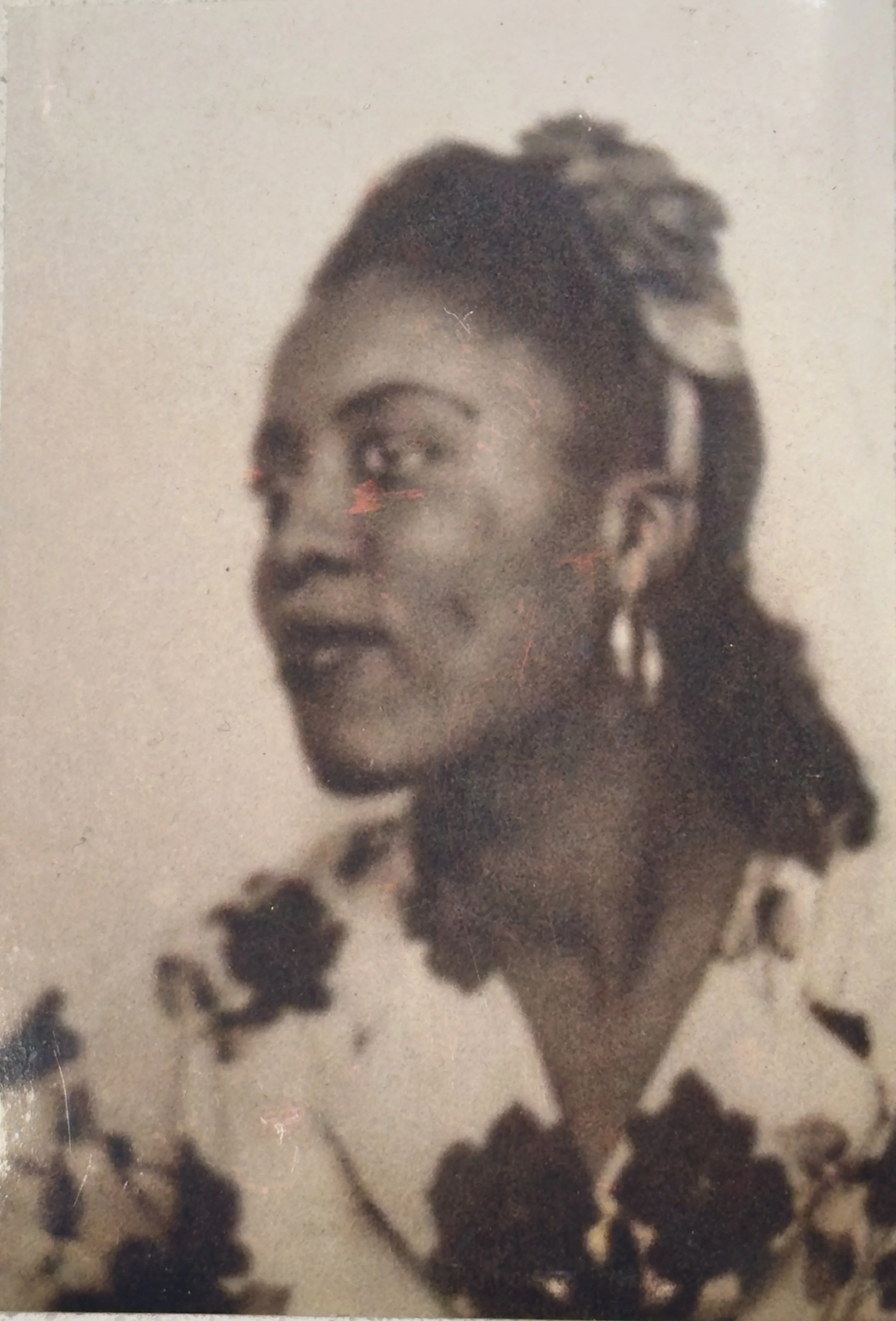
Image of Dovie Lee Tyler. Carter Family Collection.
The Will to Adorn…
places at its center the everyday lives of African American women, exploring how they dressed themselves daily in the dusk of enslavement, the dawn of emancipation, and at the foreclosure of reconstruction. The Will to Adorn opens with my great-grandmother Dovie and my grandmother Sally, but its exploration focuses on the women who made their lives possible, asking how amid racialized servitude, sexual exploitation, and economic disenfranchisement that marked the post-emancipation era in the United States, they styled their hair with combs, laced glass beads around their necks, dyed coarse-cotton fabric with indigo-berry and sweetgum bark, and fastened buttons to adorn their bodies and dress their social lives.
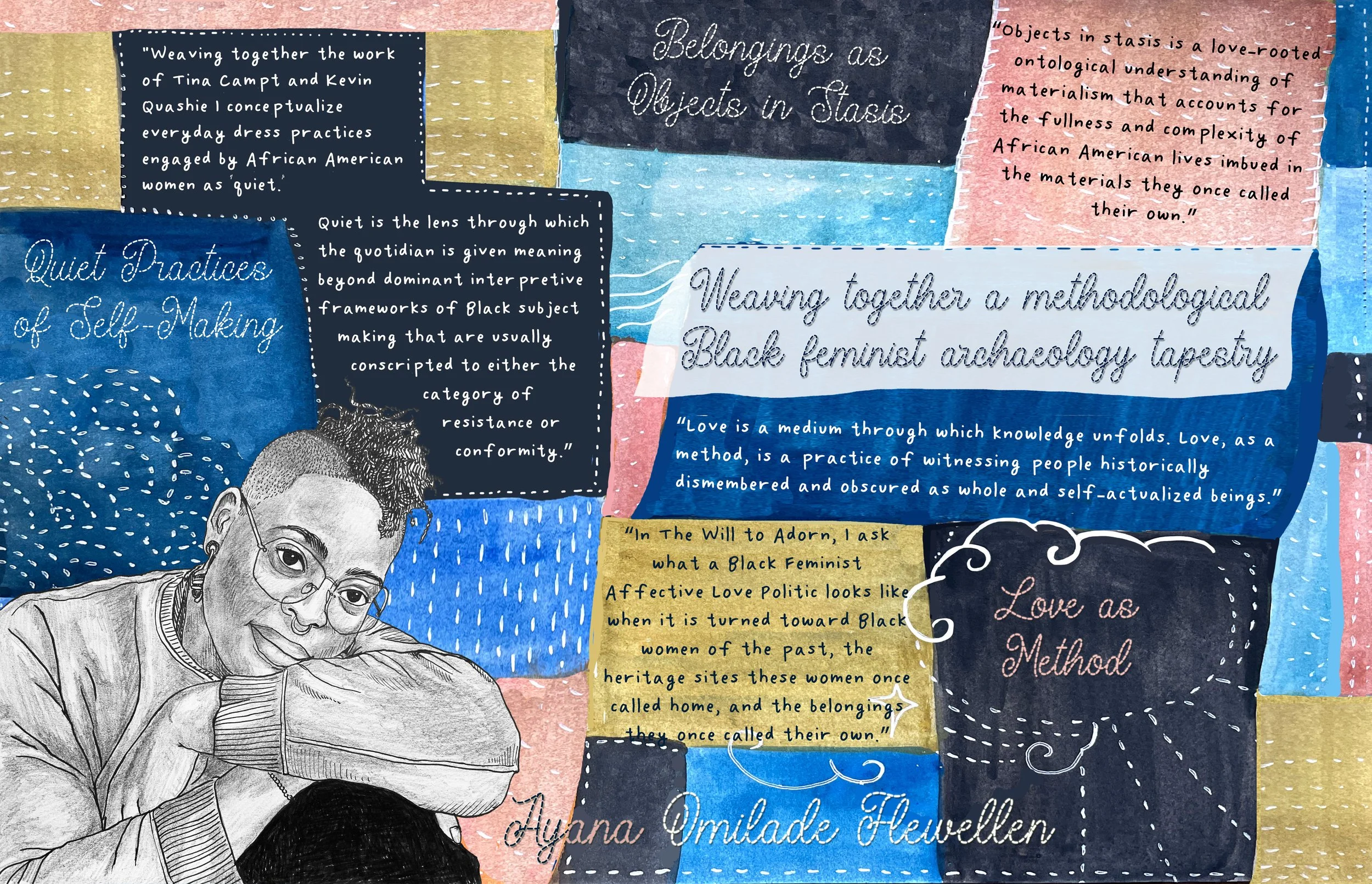
As a scholar who studies the lives of Black women prior to the mid-twentieth century, in The Will to Adorn, I turn toward archaeological assemblages, documentary archives, and oral history collections to piece together the complex lives of women through the fragmentary evidence available to me. The Will to Adorn argues that new historical narratives emerge when we study the ways Black women engaged in sartorial practices throughout the post-emancipation era, making legible how they navigated the precarity of their lives while fashioning possibilities daily. So little is known about the everyday lives—tastes, preferences, decisions—of African Americans who lived through the post-emancipation era in the United States. Yet, the material remains of Black women’s everyday sartorial practices contain rich evidence of who they were, who they wanted to be, and how they wanted to be seen.
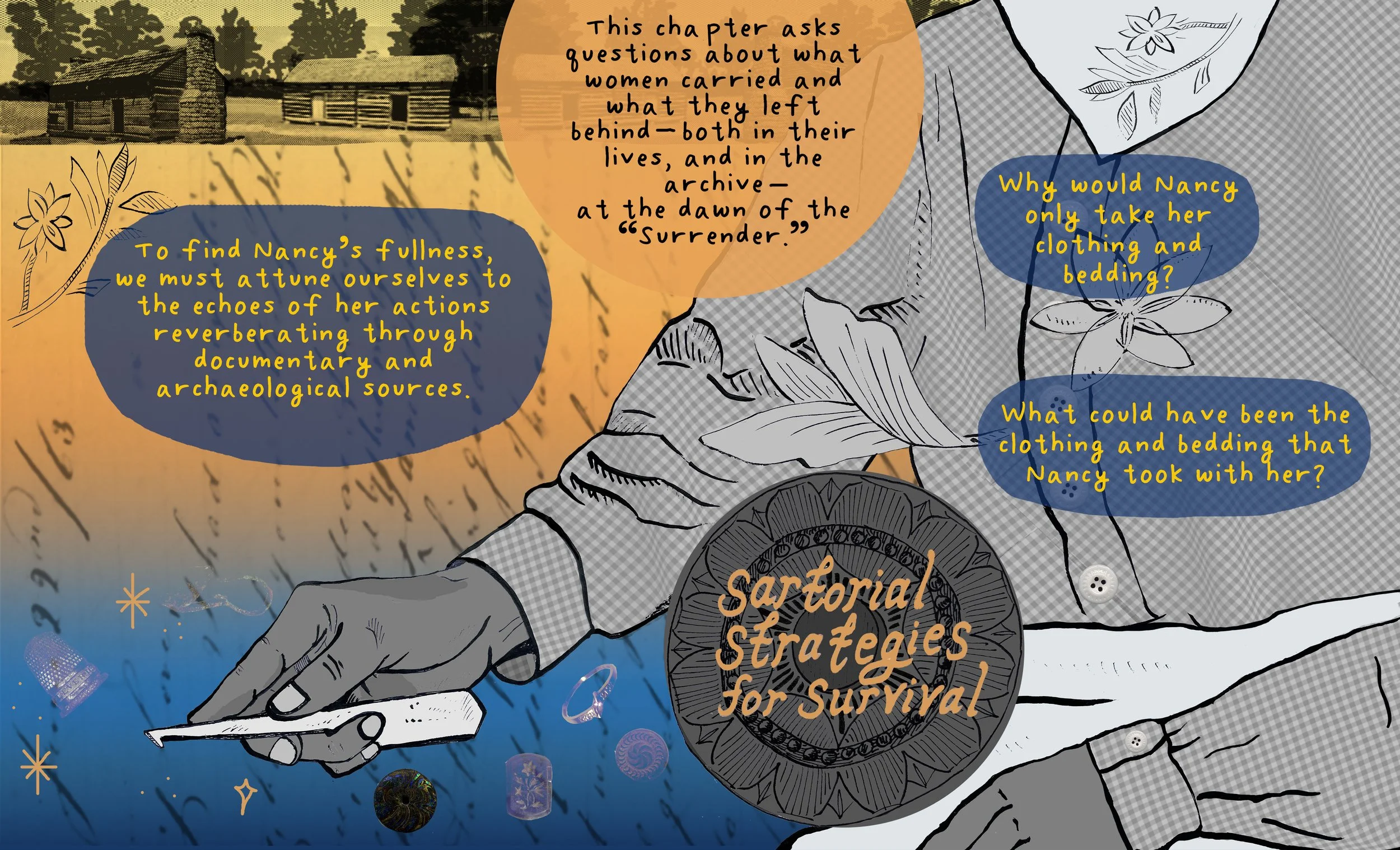
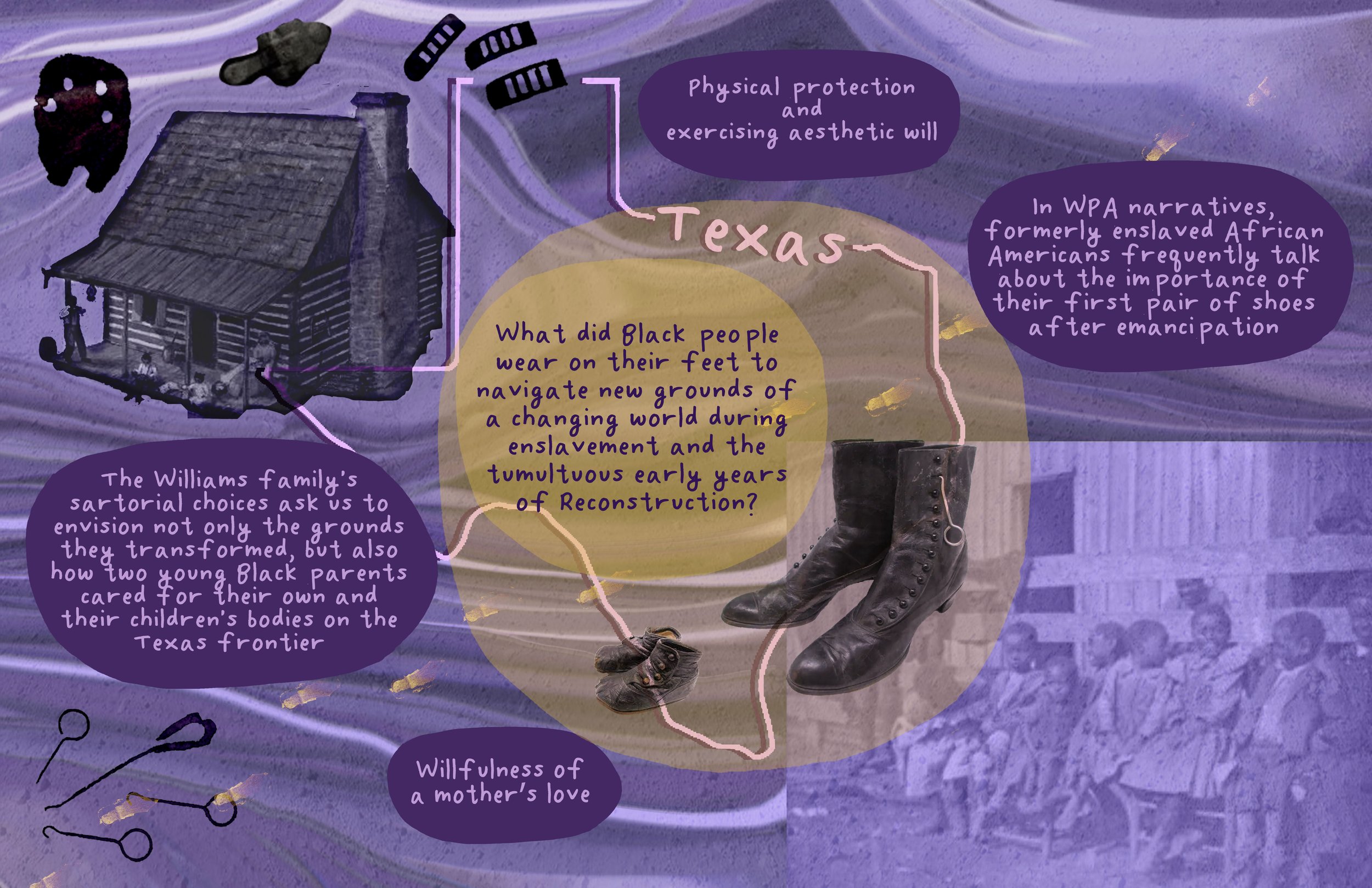
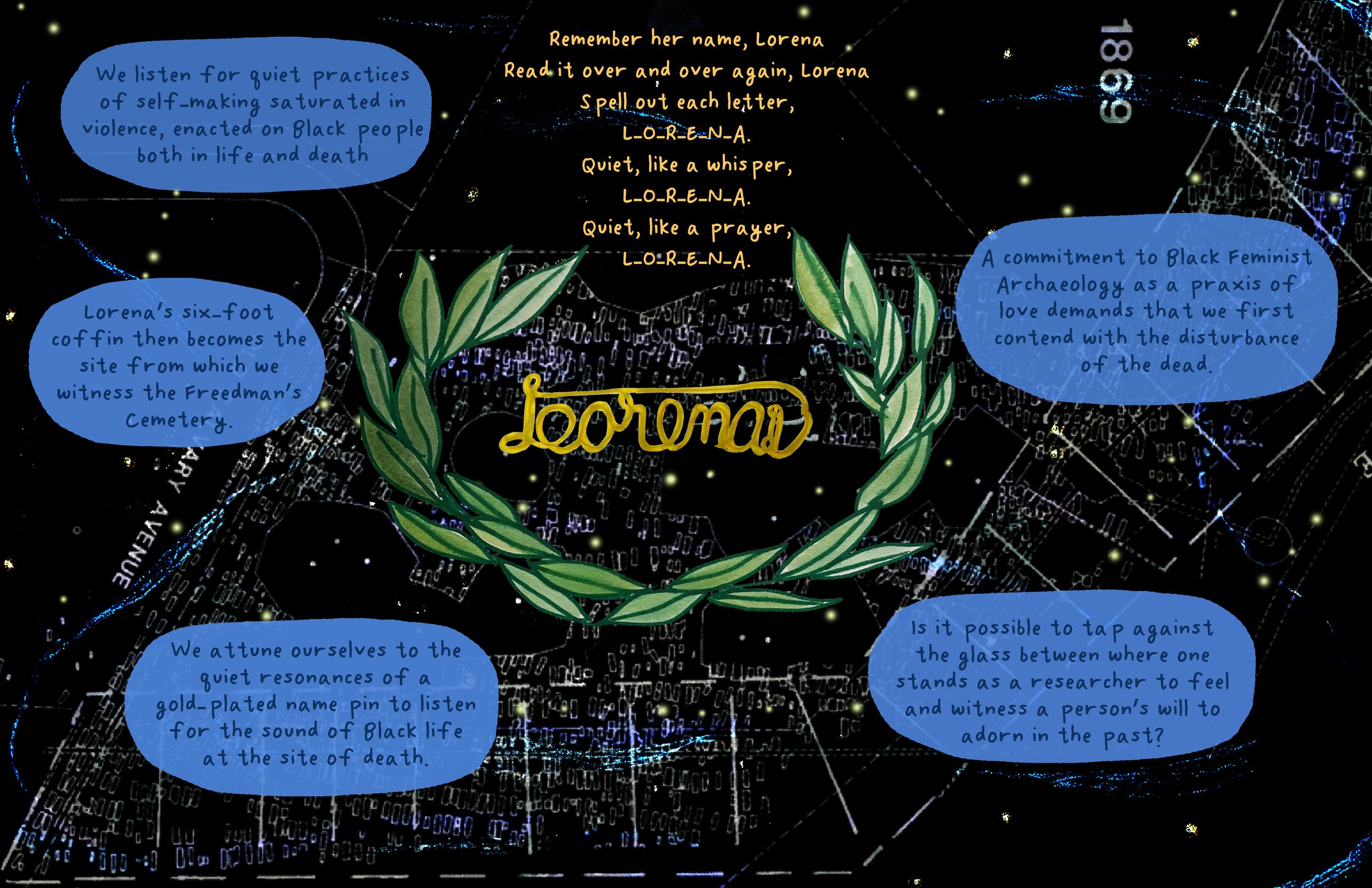
All visual theory maps above were created by Miyuki Baker,